Mottainai Kitchen is a culinary road movie, tackling the issue of food waste and other environmental issues in Japan, searching for sustainable solutions. The film follows filmmaker and food activist David Gross as he discovers the fascinating Japanese concept of Mottainai, meets local chefs, scientists and farmers while creating tasty recipes for a “Zero Waste Kitchen Revolution”. Dont waste anything that still has value.
Dont waste anything that still has value. This is the “Mottainai” concept. It can also refer to creative solutions. This ancient philosophy has been experiencing a revival in its country of origin, and it may offer some useful advice for the rest of the world too. Despite its fame as a gourmet haven, Japan has one of the highest numbers of food waste globally. How is that possible and what can we do about it? Where other people see only problems, Mottainai Kitchen goes out to find solutions.
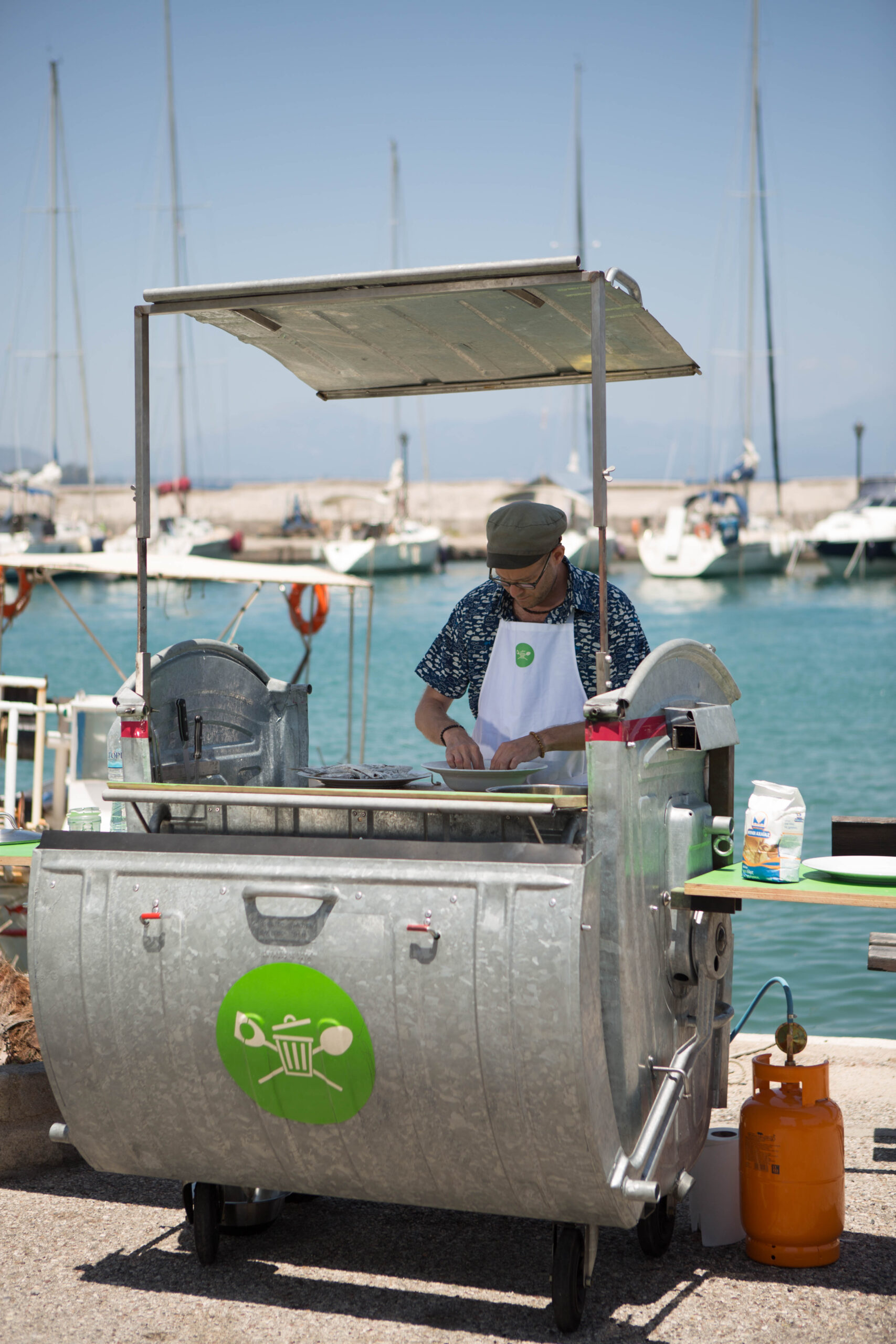
Gross travels across Japan for 4 weeks and only cooks with ingredients that others call waste. On his journey he meets chefs, farmers, activists and scientists and is supported by Nikki, his translator and colleague. The two drive a mobile kitchen created by young designers using recycled materials. Mottainai Kitchen is a film that combines purpose and fun,whetting your appetite for a sustainable future.
Website: https://en.mottainai-kitchen.net/about/


MOTTAINAI KITCHEN
Don´t waste it, cook it!
Japan 2020, 95 min.
CREDITS:
Director/Script/Presenter: David Groß
Camera: Daniel Samer
Co-Host: Nikki Tsukamoto
Producer: Kenji Sekine/United People
In summer 2019, the filming of Mottainai Kitchen took place in Japan.
The documentary premiered in Tokyo in August 2020 and has since been shown in over 80 cinemas across Japan. Mottainai Kitchen is also screening at international film festivals, most recently in the US and South Korea.
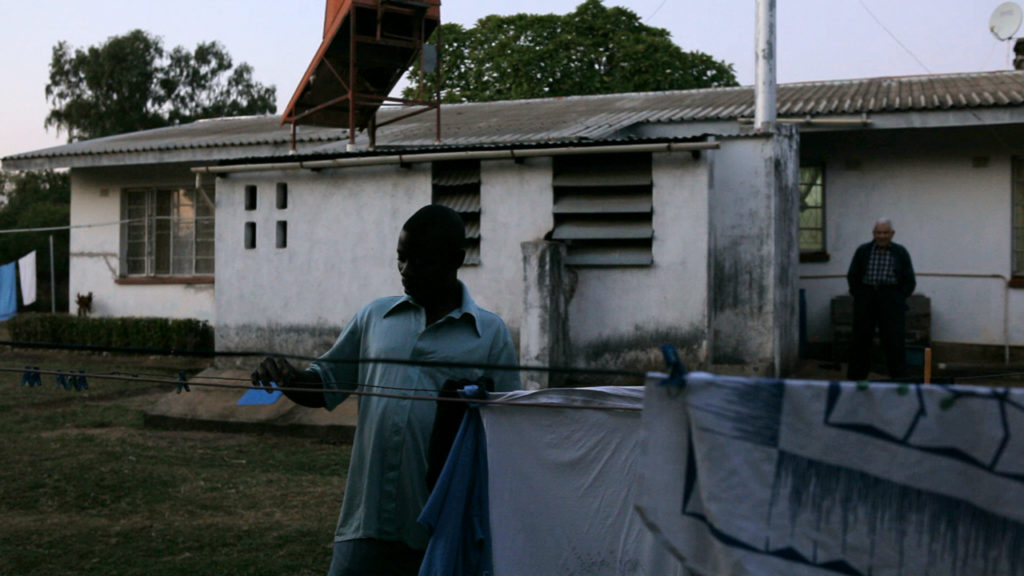 “A benevolent dictator under these circumstances,” says Norbert Abeles, protagonist of the eponymous documentary, “is the best thing. He uses the reigning conditions for the benefit of the people.” What conditions are they? Conditions like those that prevail in Malawi, where Abeles has lived for more than thirty years: primarily a vicious circle of intense poverty and little opportunity for education. Conditions produced by colonialism, which persist as its legacy even after the country´s liberation.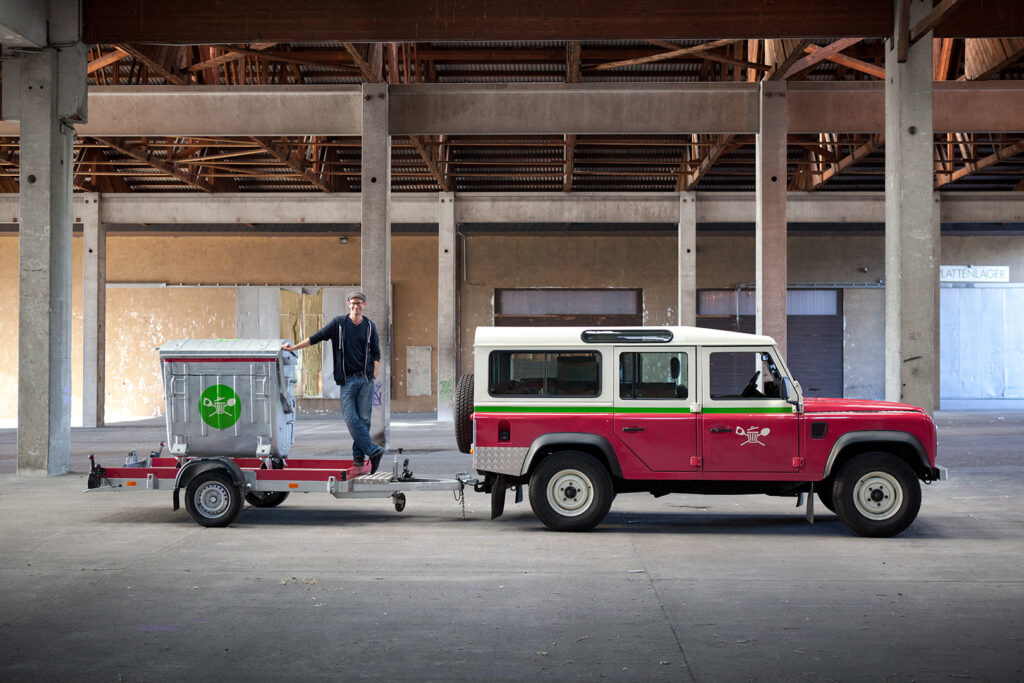
 Austro-American Youth is a film about the loss of home in one’s own country, about the recovery of happiness in a foreign country, and a new threat from scratch. In 1941, youthful refugees from Nazi Austria founded the club Austro-American Youth in New York. In a short time, the group becomes a sort of home for several hundred people. There are excursions to the greenery, dancing, singing, gossiping, and not a few find in the club the love for life. But behind the unshakable facade of the Austro-American Youth, there is also an explosive political dimension. The war is only a few years past, the freedom gained is still quite fresh, and fate hits a second time. America is in the cold war and Senator Joseph McCarthy blows to the communist chase. Two co-founders of the club are exposed as Communist spies, and the entire group is targeted by the FBI.
 From the first high mountain to the sea, that’s the plan. Along the main chain of the High Atlas, a five-headed Austro-Moroccan mountaineer group sets out to cross the highest mountain chain of North Africa in length. Along old mule trails, the route leads not only into breathtaking high mountain landscapes and across six 4000m summits, but also to the traditional clay villages of the Atlas Berbers. The encounters with the people in the valleys are just as part of the journey as the remote expanse of the snow-capped peaks and elevations of the Atlas Mountains.
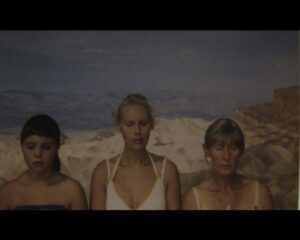 A poetic documentary about dreamers and the development of dream landscapes in the development process of Polaroids.
 Holy Waters is a film about people worshipping water. And a movie about my grandmother who abhors water. Starting point is a small spring in the Upper Austrian province, which becomes a great reflection of human longing. An associative journey into the realm of energized water, around the devotees, the butcher, the doctor from Lourdes, and the prominent water guru from Japan. A film about the substance of all life, and an approach to existential questions. Can water wonders work, and can liver cheese be sacred?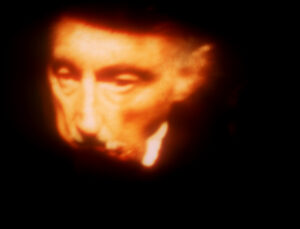

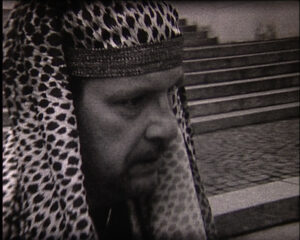 “Pharaoh Bipolar” is a cinematic experience in the field of art and disease – an encounter with the bipolar actor Werner Ludvig Buchmayer, who has suffered from the bipolar disorder (formerly manic depression) since his fifteenth birthday. We have witnessed the filming of his ‘Pharaoh film’, from the first casting to the premiere, high-altitude flights on the set and a deep fall into psychiatry, and went on a quest for the human being caught between two extreme Poles. The inner turmoil of the protagonist transfers to his family environment and is also reflected in the reactions of society, which raises the question: who is actually ‘crazy’ here and who ‘normal’?
 In the Bavarian-Salzburg border region an ancient heathen tradition is still practiced with great enthusiasm: the so called ‘Aperschnalzen’. While the wicked winter spirits were to be expelled by the loud sounds of the whip, this now affects the opposing teams. One of these teams, the ‘Pass’ Gois IV, accompanies the director and Schnalzer Martin Hasenöhrl during their six-week training for the ‘Great Rupertigaupreisschnalzen’, where more than 1500 active ‘Schnalzer’ from Bavaria and Salzburg – there and here – meet each year. A film not only for ‘Schnalzer’, but also for those who want to slip into this role. A film also for all those who have always wanted to understand what these men are doing right there and not at least a portrait of a small village in the exceptional state.